
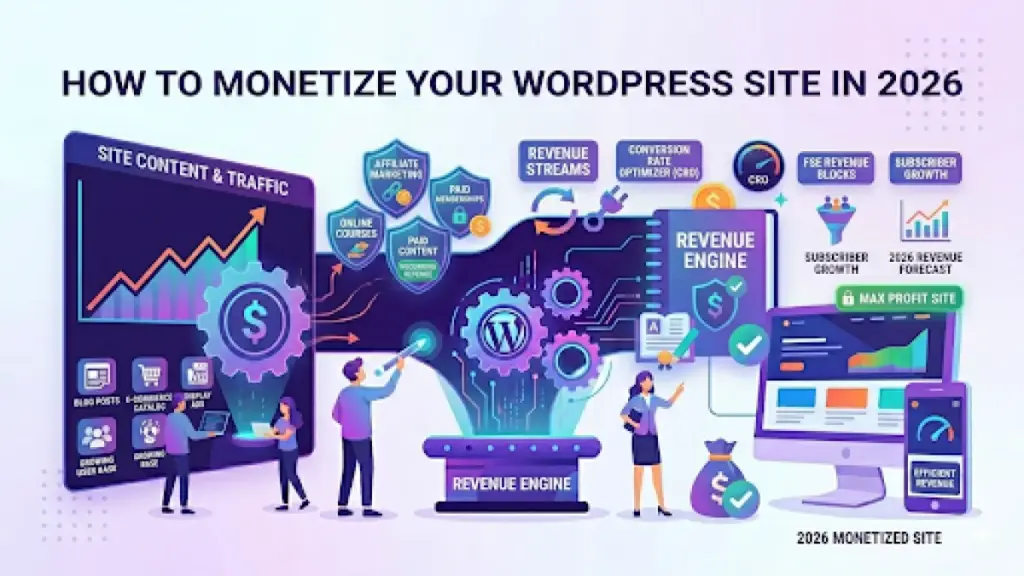
Building a WordPress site is only the first step. The real question is: how do you turn it into a reliable income stream? Whether you are running a blog, a business site, or a niche content platform, 2026 offers more monetization options than ever before. In this guide, we will walk through six proven strategies to help you monetize your WordPress site effectively.
1. Affiliate Marketing
Affiliate marketing remains one of the most accessible ways to generate revenue from your WordPress site. By promoting products or services relevant to your audience, you earn a commission on every sale made through your unique referral link. Popular affiliate networks include ShareASale, Impact, and Amazon Associates.
To succeed with affiliate marketing, focus on relevance and trust. Only promote products you have personally used or genuinely believe in. Write in-depth reviews, comparison posts, and tutorial-style content that naturally incorporates your affiliate links. Avoid overwhelming your readers with too many links — quality over quantity always wins.
WordPress-specific affiliate programs are particularly lucrative. Theme marketplaces, hosting providers, and premium plugin developers often offer generous recurring commissions. As a WPForge user, you are already familiar with the value of a well-crafted theme — imagine earning a commission for recommending it to others.
2. Digital Products
Selling digital products is one of the highest-margin monetization strategies available. Once you create the product, there are no manufacturing costs, no shipping fees, and no inventory to manage. Popular digital products for WordPress site owners include:
- PDF guides and e-books — Comprehensive resources on niche topics your audience cares about.
- WordPress plugins and themes — If you have development skills, creating lightweight plugins or child themes can be a steady revenue source.
- Online courses and workshops — Package your expertise into a structured learning experience.
- Printable templates and planners — Low-effort digital assets that appeal to specific audiences.
- Stock photography or design assets — High-quality visuals for content creators and businesses.
Plugins like Easy Digital Downloads and WooCommerce make it simple to sell digital products directly from your WordPress site. Ensure your site is fast and secure — a slow checkout experience can kill conversion rates.
3. Membership and Subscription Models
If you regularly produce high-value content, a membership model can provide predictable recurring revenue. Offer exclusive articles, video tutorials, downloadable resources, or community access to paying subscribers. Tools like MemberPress, Restrict Content Pro, and Paid Memberships Pro integrate seamlessly with WordPress.
Tiered membership plans work well. For example, a free tier with basic content, a mid-tier with weekly premium posts and downloads, and a top-tier with direct access to you via coaching or Q&A sessions. The key is to deliver consistent value that justifies the recurring cost.
4. Display Advertising
Display advertising has evolved significantly. While traditional banner ads still exist, programmatic advertising networks like Mediavine, AdThrive, and Ezoic offer smarter ad placement that maximizes revenue without destroying the user experience. These networks typically require a minimum amount of traffic (usually 50,000 monthly sessions), so this strategy works best for established sites.
For smaller sites, Google AdSense remains a viable starting point. Focus on content quality and traffic growth, and upgrade to a premium ad network once you meet the thresholds. Remember that ad placement matters — intrusive ads can hurt your SEO and drive visitors away.
5. Sponsored Content
As your site grows, brands will approach you for sponsored posts, product reviews, or collaborations. Sponsored content can be highly profitable, especially if your site targets a specific niche with a dedicated audience. Transparency is crucial — always disclose sponsored partnerships to maintain trust with your readers.
Create a media kit that highlights your traffic statistics, audience demographics, and engagement rates. This makes it easier to pitch to brands and negotiate fair compensation. A well-crafted media kit can significantly increase your sponsorship income.
6. Hybrid Strategies
The most successful WordPress site owners combine multiple monetization methods. For example, you might run display ads alongside affiliate marketing, offer a premium membership tier with exclusive digital products, and occasionally publish sponsored content. Diversifying your income streams protects you from algorithm changes, market shifts, and platform policy updates.
Start with one strategy, master it, and then layer in additional methods as your audience grows. The key is to remain authentic and prioritize your readers’ experience over short-term revenue.
Final Thoughts
Monetizing your WordPress site in 2026 is not about chasing every available option. It is about choosing the strategies that align with your audience, your content, and your long-term goals. Whether you start with affiliate marketing, digital products, or a membership model, the most important factor is consistency and quality.
Ready to take your site to the next level? Browse the WPForge theme collection to find a fast, SEO-optimized theme that supports your monetization goals.
0 Comments
Please log in to leave a comment.