
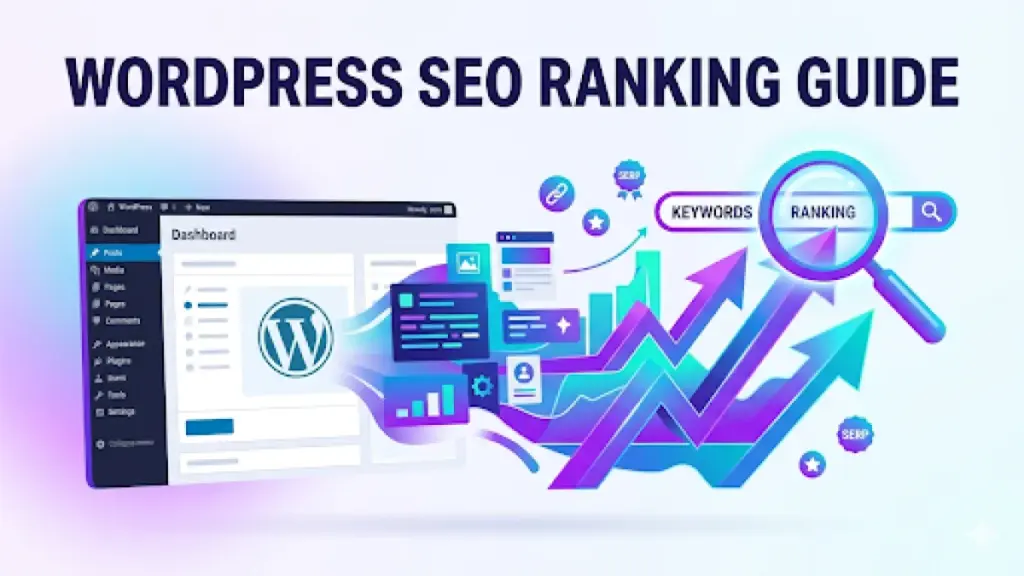
WordPress is already one of the most SEO-friendly content management systems out of the box. Its clean permalink structure, semantic HTML output, and proper heading hierarchy give you a strong foundation. But to truly rank, you need to go beyond the defaults.
This guide covers everything from technical SEO fundamentals to advanced strategies that will help your WordPress site climb the search rankings.
Start with Solid Technical Foundations
Before you write a single word of content, get the technical basics right. Use HTTPS. Ensure your site is mobile-responsive. Submit your XML sitemap to Google Search Console. Fix broken links and 404 errors. These fundamentals signal to search engines that your site is trustworthy and well-maintained.
Configure Permalinks Correctly
WordPress gives you several permalink structure options. The default plain structure is terrible for SEO. Switch to Post name (/%postname%/) for the cleanest, most readable URLs. Avoid including dates in your URLs unless your content is time-sensitive news. Date-stamped URLs make old content look outdated even if it is still relevant.
Install a Quality SEO Plugin
A good SEO plugin does not magically make you rank. But it gives you the controls you need. Yoast SEO or Rank Math are the two dominant options. They help you set title tags, meta descriptions, focus keywords, social media previews, and XML sitemaps. They also provide readability analysis and content suggestions to improve your writing.
Master the Art of Title Tags
Your title tag is the single most important on-page SEO element. It tells search engines what your page is about and appears as the clickable headline in search results. Keep titles under 60 characters. Include your primary keyword near the beginning. Make every title unique and compelling. A great title both ranks and gets clicks.
Write Meta Descriptions That Convert
Meta descriptions do not directly affect rankings, but they heavily influence click-through rates. Think of them as ad copy for your page. Keep them between 120-155 characters. Include your primary keyword naturally. Write in active voice. End with a subtle call to action when appropriate. A higher CTR signals relevance to search engines.
Structure Your Content with Headings
Proper heading hierarchy (H1 → H2 → H3) helps both readers and search engines understand your content structure. Every page should have exactly one H1 tag. Use H2s for main sections and H3s for subsections. Include related keywords in your headings where natural, but do not force them.
Optimize Your Images
Images contribute to SEO in multiple ways. Use descriptive, keyword-rich file names. Always fill in alt text that describes the image accurately and includes keywords where relevant. Compress images for fast loading. Use responsive image techniques so mobile users do not download desktop-sized files.
Build Internal Links Strategically
Internal linking distributes page authority throughout your site and helps search engines discover new content. Link from high-authority pages to newer pages you want to rank. Use descriptive anchor text that indicates what the linked page is about. Avoid generic phrases like “click here” or “read more.”
Focus on Content Quality and E-E-A-T
Google increasingly evaluates content through the lens of Experience, Expertise, Authoritativeness, and Trustworthiness. Demonstrate real-world experience with your topic. Cite authoritative sources. Include author bios with credentials. Keep your content updated. Thin, generic content will not rank, regardless of how well you optimize your title tags.
Page Speed Is a Ranking Factor
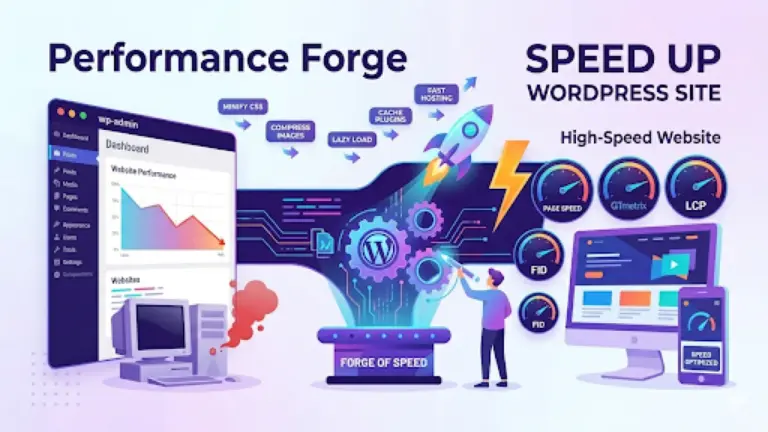
Google explicitly uses page speed as a ranking signal, especially on mobile. A slow site hurts both your rankings and your user experience. Optimize images, implement caching, use a CDN, minimize render-blocking resources, and choose fast hosting. Run your site through PageSpeed Insights and address every recommendation you can.
Track Your Progress
SEO is not a set-it-and-forget-it discipline. Install Google Analytics to understand traffic patterns. Use Google Search Console to monitor impressions, clicks, and average position for your target keywords. Review your data monthly and adjust your strategy based on what is working and what is not.
Conclusion
WordPress gives you the platform. SEO gives you the visibility. Combine both effectively, and you have a powerful engine for organic growth. Start with the technical fundamentals, build a content strategy around topics your audience cares about, and continuously refine based on real data. The results compound over time.
0 Comments
Please log in to leave a comment.